
Isolation & Insulation
Flange Isolation Kits
Electrical Isolation for Cathodic Protection
A flange isolation kit breaks the electrical path across a flanged joint so the two sides cannot conduct. That stops galvanic corrosion between dissimilar metals and keeps a cathodic protection current on the pipe you are protecting. Each kit is a complete set: one isolating gasket, plus a sleeve and washers for every bolt, matched to your flange and pressure class.
Just need sleeves and washers for an existing joint? Explore our Insulating Sleeves & Washers.
What's in a Kit
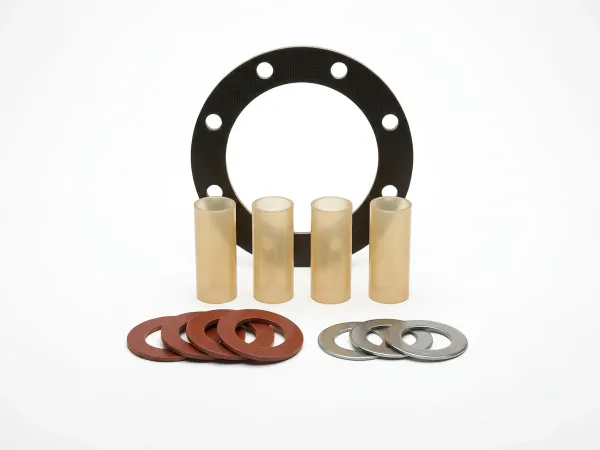
A kit is the whole isolating assembly for one flanged joint, sometimes sold as a flange insulation kit or a dielectric kit; they are the same thing. Two parts do the work: the gasket seals and insulates the flange faces, and the bolt hardware isolates every stud. The interactive joint anatomy, showing every part at one bolt, lives in our Flange Isolation Guide.
What's in the Box
- One isolating gasket sized to the flange face
- Per bolt: one full-length insulating sleeve
- Per bolt: two insulating washers
- Per bolt: two steel backing washers
Single or Double Washer Set
A double set insulates both ends of every bolt and is the default where full isolation is required. A single set insulates one end only and bonds the bolt to the other flange, used where a drawing specifies one-sided isolation, for example to let cathodic-protection current reach the bolting. The steel backing washer is never optional: the insulating washer crushes under nut torque without it.
Kit Types
Two things describe a kit, and people often muddle them. The first is geometry: which flange face the gasket fits, named by a letter. The second is material: what the gasket and its facing are made of, chosen for pressure, temperature, and chemistry. They are independent. A "Type E" tells you the shape, not the material.
Axis 1: Geometry (the Letter)
Some references swap E and F. We follow the manufacturer convention: E is the full-face gasket with bolt holes, F is the raised-face ring.
Axis 2: Material and Facing
Phenolic
Economy general service. Plain, or neoprene or nitrile-faced for a softer seal on lower-pressure water and utility work.
G10 / G11 Glass-Reinforced Epoxy
The workhorse for oil, gas, and cathodic protection duty. G10 runs to around 150 °C and G11 to around 200 °C as typical figures; the flange rating usually sets the real limit.
PTFE-Faced
For aggressive chemistry where a phenolic or epoxy face would be attacked.
Metallic-Core, Spring-Energised
A steel-cored gasket with an energised seal for high pressure classes and high-integrity duty. Fire-safe designs tested to API 6FB exist in this family; we can source these on request.
Choosing a Kit in Three Questions
1. Which Flange Face?
Full-face takes a Type E. Raised-face takes a Type F. Ring-type-joint takes a Type D. This is the first thing we ask, because it fixes the geometry before anything else.
2. What Pressure and Temperature?
For common classes and moderate temperature, a flat-gasket kit in phenolic or G10/G11 does the job. Push the pressure class or the integrity requirement up and you move to a metallic-core, spring-energised style. Temperature steers the material: G10 to around 150 °C, G11 to around 200 °C as typical figures.
3. Any Special Service?
Fire exposure or sour service narrows the field. Fire-safe kits tested to API 6FB and sour-service builds to NACE MR0175 exist; we can advise and source them on request. Tell us the service and we will spec to it rather than guess.
Kit or Monolithic Joint?
A kit is field-assembled and serviceable, which suits above-ground joints you can get to and re-test. Where the joint is buried, permanent, or on a high-pressure trunk line you cannot risk assembling in the field, a welded monolithic isolation joint is the better call. Above ground and serviceable, use a kit; buried and permanent, use a monolithic joint.
Installation & Testing
A kit only isolates if every part does its job, so most failed isolation tests trace back to assembly, not the kit. Bolt up in stages to a star pattern so the gasket loads evenly, then confirm the isolation before the joint goes into service. Our Flange Isolation Guide walks through the isolation-specific assembly steps, and its testing section covers the megohmmeter and RF-tester checks for dry, in-service, and buried joints.
Standards
The standards behind isolation work split between cathodic protection and the flange itself. Our Flange Isolation Guide covers how each one applies to isolation and cathodic protection design.
Much Australian pipework is not drilled to ASME. We can supply kits to suit AS 2129 Table D/E and AS 4087 flanges, not just ASME, which matters for water, wastewater, and utility work where the AS tables dominate.
Common Questions
Which Kit Do I Need for a Raised-Face Flange?
A Type F. It is the raised-face ring that sits inside the bolt circle. If your flange is full-face, you want a Type E instead; for a ring-type-joint flange, a Type D.
Can I Reuse a Kit After Opening the Joint?
We do not recommend it. The gasket takes a compression set and the insulating washers can absorb moisture over time, both of which chip away at the isolation. On a rebuild, replace the gasket and washers; the sleeves can often be reused if they are undamaged, but they are cheap enough to renew.
Why Did My Joint Fail the Isolation Test?
Almost always a single fault: a missed or short sleeve, an omitted steel washer, a crushed insulating washer, or conductive anti-seize bridging the gap, and any one of them shorts the whole flange. Re-check each bolt before blaming the kit; our Flange Isolation Guide walks through each failure mode and how to catch it.
Do I Need a Full Kit, or Just Sleeves and Washers?
If you are isolating a joint from scratch, buy the complete kit: gasket, sleeves and washers together. If the gasket is sound and you only need to replace or add bolt insulation, our Insulating Sleeves & Washers are the right buy on their own.
Is a Kit the Same as a Monolithic Isolation Joint?
No. A kit is field-assembled and serviceable, for above-ground joints you can access. A monolithic isolation joint is welded, permanent and usually buried, with no parts to assemble on site. Choose the kit for serviceable joints, the monolithic joint for buried trunk lines.
Related Products
Raw Materials
Sheet, Roll & Bulk Stock
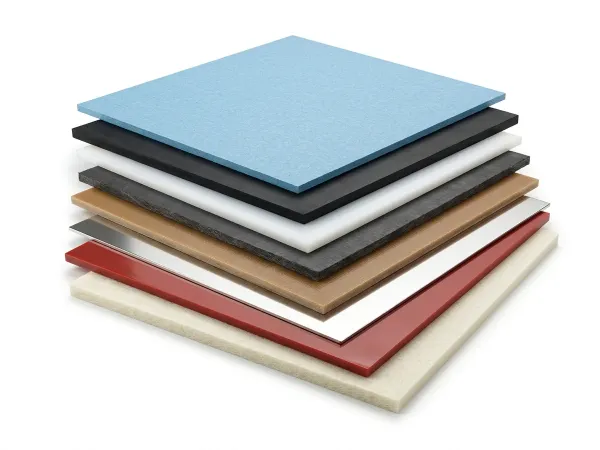
Compressed fibre, rubber sheet, PTFE, flexible graphite, engineering plastics, foams, and metal shim, supplied as raw stock for in-house cutting, fabrication, or repair.
Explore Product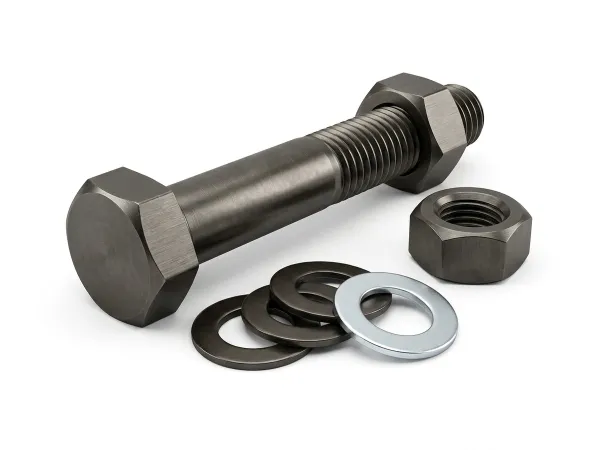
Studs, Bolts & Washers
High-Tensile Flange Fasteners
Stud bolts, hex bolts, washers, and nuts in carbon steel, stainless steel, and exotic alloys to ASTM and ISO standards.
Explore Product
Shims
Precision Shim Stock & Packs
Precision shim stock in stainless steel, brass, plastic, and composite materials. Available in sheets, rolls, and pre-cut packs.
Explore ProductExplore Further
Need a Flange Isolation Kit?
Send us the flange size, pressure class, face type, and service. We'll spec the kit type and material, and supply it to suit ASME or AS-table flanges.
Request a QuoteDisclaimer
This page is provided for general engineering reference only and does not constitute professional advice, specification, or guarantee of performance. Actual results depend on specific application conditions. Universal Gaskets Pty Ltd accepts no responsibility or liability for decisions made based on this information. For full terms, see our Terms & Conditions.